
Exploring the art of seamlessly blending indoor and outdoor spaces, this guide delves into the key factors, design techniques, and functional integration needed to achieve a harmonious flow. From lighting to furniture selection, discover how to create a cohesive transition that enhances your living experience.
In the following sections, we will uncover the secrets to creating a fluid connection between your indoor and outdoor areas, elevating your space to a new level of design and functionality.
Factors to Consider
When creating a seamless flow between indoor and outdoor spaces, several key elements play a crucial role in achieving a harmonious transition. Factors such as lighting, color scheme, and materials selection can significantly impact the continuity and connection between these two areas.
By carefully considering these elements, architects and designers can enhance the overall experience of the space and create a cohesive environment that seamlessly integrates indoor and outdoor living.
Lighting
Lighting plays a vital role in bridging indoor and outdoor spaces. By strategically placing lighting fixtures both inside and outside, designers can create a sense of continuity and enhance the flow between these areas. For example, incorporating recessed lighting in the ceiling that extends from the indoor living room to the outdoor patio can visually connect the two spaces and create a cohesive ambiance, especially during evening hours.
Color Scheme
The color scheme used in both indoor and outdoor spaces can greatly impact the flow between them. Choosing a consistent color palette that complements each other can help blur the boundaries between these areas. For instance, using similar tones or coordinating colors for furniture, decor, and finishes can create a seamless transition from inside to outside, making the space feel cohesive and unified.
Materials Selection
Selecting materials that can be used both indoors and outdoors can further enhance the connection between these spaces. For example, using the same flooring material inside and outside or incorporating elements like natural stone, wood, or metal that can be seamlessly integrated into both areas can create a sense of continuity.
Architectural features such as sliding glass doors, large windows, or folding walls can also help merge indoor and outdoor spaces, allowing for a smooth transition between the two environments.
Design Techniques
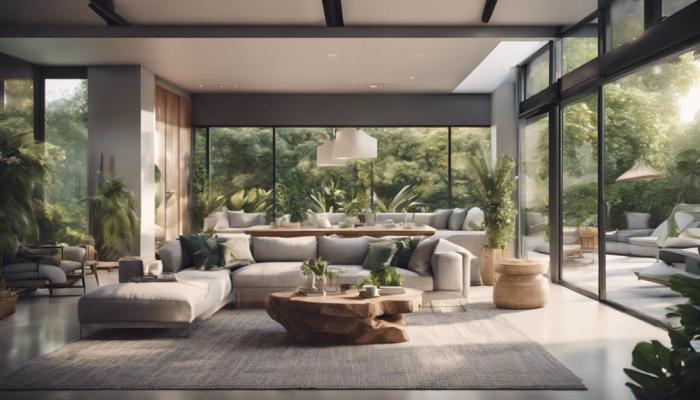
When it comes to creating a seamless flow between indoor and outdoor spaces, design techniques play a crucial role in ensuring a harmonious connection.
Open Floor Plans
Open floor plans are a popular design choice that can greatly enhance the connection between indoor and outdoor areas. By eliminating barriers such as walls and doors, open floor plans create a sense of continuity and spaciousness, making it easy to move between the two spaces.
Large Windows, Sliding Glass Doors, or Folding Walls
- Large windows:
- Sliding glass doors:
- Folding walls:
Large windows allow natural light to flood the interior space while providing unobstructed views of the outdoor area. This visual connection helps blur the boundaries between inside and outside, creating a seamless transition.
Sliding glass doors offer the flexibility to open up the indoor space to the outdoors. When opened, these doors create a wide opening that invites fresh air and creates a sense of merging between the two areas.
Folding walls are another innovative design feature that can be used to connect indoor and outdoor spaces. These walls can be folded away completely, allowing for a fully open layout that integrates the interior and exterior seamlessly.
Landscaping Strategies
Landscaping can play a key role in integrating interior and exterior design elements, enhancing the overall flow between indoor and outdoor spaces.
- Continuity in materials:
- Outdoor living areas:
- Greenery and plants:
Using similar materials in both indoor and outdoor spaces can create a cohesive look that ties the two areas together. For example, using stone or wood indoors and continuing the same material outside can help blur the lines between the spaces.
Creating functional outdoor living spaces that mirror the activities and functions of the indoor areas can enhance the connection between the two
Integrating greenery and plants both inside and outside can help soften the transition between the spaces. Using potted plants, vertical gardens, or indoor trees can create a sense of continuity and natural beauty.
Furniture and Decor
When it comes to creating a seamless flow between indoor and outdoor spaces, selecting the right furniture and decor plays a crucial role in achieving a harmonious design. By choosing pieces that complement both environments, you can enhance the overall aesthetic and functionality of your living spaces.
Selecting Complementary Pieces
- Opt for furniture and decor items that share similar design elements or materials to maintain a cohesive look throughout your indoor and outdoor areas.
- Consider the color palette of your interiors and choose outdoor furniture and decor that either complements or contrasts tastefully with these hues.
- Balance the scale of your furniture pieces to ensure they fit proportionally within both indoor and outdoor spaces, creating a sense of continuity.
Importance of Cohesive Design Elements
Having cohesive design elements in your furniture and decor selections is key to achieving a seamless transition between indoor and outdoor areas. Consistent colors, styles, and materials help tie the spaces together, creating a unified look that feels connected and intentional.
Choosing Durable Materials
- Opt for furniture and decor made from weather-resistant materials such as teak, powder-coated metal, or outdoor fabrics to ensure longevity and performance in outdoor settings.
- Consider the maintenance requirements of different materials and choose options that are easy to clean and maintain, especially when exposed to outdoor elements.
- Invest in quality pieces that can withstand both indoor and outdoor conditions, providing durability and longevity for years to come.
Functional Integration
When designing a space that transitions seamlessly between indoor and outdoor areas, it is essential to ensure practicality and functionality. This involves carefully considering how different zones are utilized and how they flow into one another.Zoning and layout play a crucial role in optimizing the flow between indoor and outdoor spaces.
By defining specific areas for different activities, such as dining, relaxation, or socializing, you can create a cohesive design that enhances the overall functionality of the space.One way to achieve functional integration is by incorporating multi-functional elements that can serve purposes in both indoor and outdoor settings.
For example, using versatile furniture pieces like ottomans or benches that can easily be moved between spaces can help create a seamless transition while maximizing usability. Additionally, incorporating features like built-in storage or flexible lighting solutions can further enhance the practicality of the space.
Conclusion
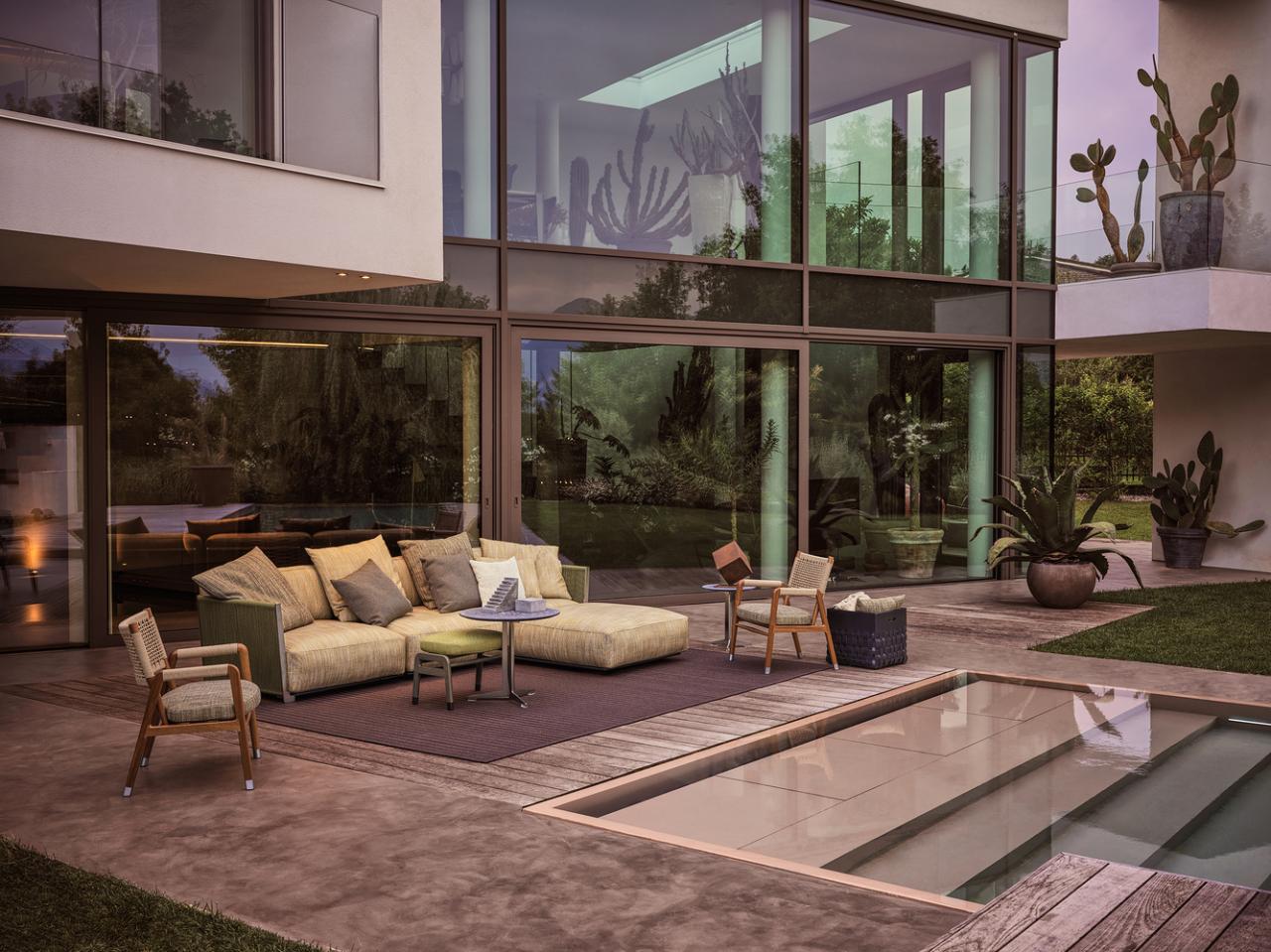
In conclusion, mastering the flow between indoor and outdoor spaces requires careful consideration of various elements. By implementing the tips and strategies discussed, you can transform your living environment into a seamless and inviting oasis that blurs the boundaries between inside and outside.
Elevate your space with a design that truly connects you with nature and enhances your overall living experience.
Commonly Asked Questions
How can I enhance the flow between my indoor and outdoor spaces?
To enhance flow, consider using similar color schemes and materials in both areas to create a cohesive transition.
What are some design techniques to blur the boundaries between indoor and outdoor spaces?
Design techniques like open floor plans and large windows can help blur boundaries and create a sense of connection.
Why is functional integration important when transitioning between indoor and outdoor spaces?
Functional integration ensures that the space is practical and serves its intended purposes in both settings.