
Beginning with Accent Walls: When, Where, and How to Use Them, the narrative unfolds in a compelling and distinctive manner, drawing readers into a story that promises to be both engaging and uniquely memorable.
Accent walls are a powerful tool in interior design, capable of completely transforming the look and feel of a room. By strategically highlighting a single wall, you can add depth, character, and style to any space. Let's delve into the world of accent walls and explore when, where, and how to use them effectively.
Importance of Accent Walls
Accent walls play a crucial role in interior design by adding visual interest and personality to a space. They serve as focal points that can completely transform a room, creating a dynamic and engaging atmosphere.
Enhancing the Aesthetics of a Space
Accent walls have the power to elevate the aesthetics of a room by adding color, texture, and pattern. For example, a bold, contrasting accent wall can make a small room feel larger and more vibrant, while a textured accent wall can create a cozy and inviting atmosphere.
Creating Depth and Dimension
By strategically placing an accent wall, you can create depth and dimension in a space. For instance, painting the wall behind a bed in a darker color can make the room feel cozier and more intimate, while a bright accent wall in a living room can make the space feel more spacious and airy.
Adding Character and Style
Accent walls allow you to showcase your personal style and add character to a room. Whether you opt for a geometric pattern, a bold color choice, or a unique texture, accent walls can help express your individuality and make a statement in your home.
When to Use Accent Walls
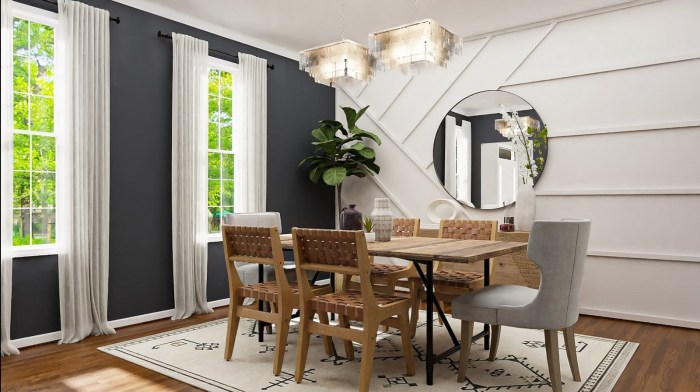
Accent walls can be a powerful design element when used strategically in a space. Here are some key factors to consider when deciding when to incorporate accent walls:
Ideal Rooms for Accent Walls
- Living Room: Accent walls in the living room can help create a focal point, drawing attention to a specific area like a fireplace or artwork.
- Bedroom: Consider using an accent wall behind the bed to add visual interest and depth to the room.
- Dining Room: An accent wall in the dining room can enhance the ambiance and make the space more inviting for gatherings.
Role of Natural Light
Accent walls work best in rooms with ample natural light. Placing an accent wall opposite a window can help reflect light and brighten up the room, making it feel more spacious and airy.
Influence on Room Size Perception
Dark accent walls can make a room feel cozy and intimate, while light-colored accent walls can create a sense of openness and expansiveness. Consider the size and layout of the room when choosing the color and placement of an accent wall.
Creating Focal Points
Use accent walls to highlight architectural features like alcoves, niches, or interesting wall shapes. By painting or wallpapering these areas differently, you can draw attention to them and create a striking focal point in the room.
Where to Use Accent Walls
Accent walls can be utilized in various spaces throughout your home to add visual interest and create a focal point. Whether you want to make a statement in your living room, bedroom, or dining area, accent walls can enhance the overall aesthetic of the room.
Here are some creative ways to use accent walls in unconventional spaces and how to choose the right wall for an accent wall based on room layout.
Living Room
- Consider painting the wall behind your entertainment center a bold color to draw attention to the focal point of the room.
- Install a textured wallpaper on the wall with the fireplace to create a cozy and inviting atmosphere.
Bedroom
- Opt for a wallpaper with a unique pattern on the wall behind your bed to create a striking backdrop for your sleeping area.
- Paint one wall in a calming hue to promote relaxation and create a peaceful oasis in your bedroom.
Dining Area
- Choose a vibrant color for the wall behind your dining table to add energy and personality to the space.
- Install a gallery wall with framed artwork or photographs to showcase your personal style and create a focal point in the dining area.
Open Floor Plans
- Use an accent wall to define different areas within an open floor plan, such as separating the living room from the dining area.
- Consider using a bold wallpaper or paint color on a wall that connects multiple spaces to tie the rooms together visually.
How to Design Accent Walls
Creating an accent wall involves careful design choices to enhance the overall aesthetic of a room. From different types of treatments to color selection tips, here's how you can effectively design accent walls.
Types of Accent Wall Treatments
- Paint: One of the most common ways to create an accent wall is by painting it a different color than the rest of the room. Choose a bold or contrasting color to make the wall stand out.
- Wallpaper: Wallpaper can add texture, pattern, or a unique design to an accent wall. Consider using removable wallpaper for easy updates.
- Textures: Experiment with different textures like wood panels, brick, or stone to create a visually interesting accent wall.
Color Selection Tips
- Consider the room's overall color palette and choose a shade that complements the existing colors. Look for colors that evoke the mood you want to create in the room.
- Use the color wheel to find complementary or analogous colors for a harmonious look. For a bold statement, opt for a contrasting color that pops.
- Test paint or wallpaper samples on the wall to see how they look in different lighting throughout the day before making a final decision.
Creating a Cohesive Look
- Carry elements from the accent wall into the rest of the room through accessories, furniture, or textiles. This helps tie the design together.
- Choose a focal point in the room, such as a fireplace or a piece of artwork, and make the accent wall the backdrop for that feature.
- Ensure that the accent wall enhances the room's overall style and doesn't overpower or clash with other design elements.
DIY Accent Wall Projects
- Prep the wall by cleaning and priming it before starting any project. Remove any obstacles like furniture or fixtures from the area.
- Measure and mark the wall to plan out your design. Use painter's tape to create clean lines if painting or stencils for wallpaper.
- Follow tutorials or guides for specific projects like ombre painting, geometric designs, or creating a gallery wall with framed artwork.
Last Recap
In conclusion, accent walls offer a versatile and creative way to elevate your interior design. Whether you're looking to create a focal point, add a pop of color, or simply enhance the visual appeal of a room, accent walls can make a significant impact.
By understanding the principles of when, where, and how to use them, you can unleash the full potential of this design technique and transform your living spaces with style and flair.
Quick FAQs
When should I use accent walls?
You can use accent walls to create focal points, add depth to a room, or highlight architectural features.
Where are the best places to use accent walls?
Ideal rooms include living rooms, bedrooms, and dining areas. You can also get creative and use accent walls in unconventional spaces like hallways or entryways.
How do I choose the right color for an accent wall?
Consider the existing color scheme of the room and choose a shade that complements it. Bold colors can create a dramatic effect, while neutral tones offer a more subtle look.