
Delving into the realm of Designing Interiors That Increase Property Value, this comprehensive guide aims to shed light on the pivotal role interior design plays in enhancing the overall worth of a property. From maximizing space to incorporating smart home technology, each aspect is meticulously crafted to elevate property value to new heights.
As we navigate through the intricacies of interior design, we unveil the secrets behind creating spaces that not only exude beauty but also add substantial value to any property.
Importance of Design in Property Value
Interior design plays a crucial role in determining the value of a property. A well-designed interior can significantly increase the overall value of a home or commercial space. Potential buyers or renters are often willing to pay more for a property that is aesthetically pleasing, functional, and well-designed.
Impact of Interior Design on Property Value
Interior design can impact property value in several ways. For example, the use of high-quality materials, modern fixtures, and stylish finishes can make a property more attractive to potential buyers or tenants. Additionally, an efficient layout that maximizes space utilization and enhances functionality can also contribute to increasing property value.
Design Elements that Increase Property Value
- High-Quality Materials: Using premium materials such as hardwood flooring, granite countertops, and designer fixtures can elevate the overall look and feel of a property.
- Neutral Color Palettes: Neutral colors like white, beige, and grey are timeless and appeal to a wide range of tastes, increasing the property's marketability.
- Natural Light: Incorporating large windows, skylights, and open floor plans to maximize natural light can make a space feel brighter, larger, and more inviting.
Aesthetics vs Functionality in Design
When designing interiors to increase property value, it's essential to strike a balance between aesthetics and functionality. While visually appealing design elements can attract buyers, functionality is equally important. A space that is well-designed for practical use, with efficient layouts and thoughtful storage solutions, can enhance the overall value of a property.
Maximizing Space Usage
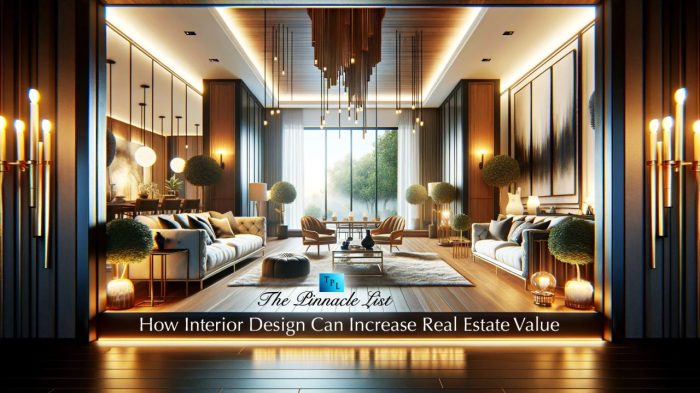
Optimizing the layout of a space can significantly increase the overall value of a property. By making rooms feel more spacious and functional, potential buyers or renters are more likely to see the space as versatile and adaptable to their needs.
Using Furniture and Decor
- Choose furniture that is appropriately scaled for the room to avoid overcrowding.
- Use multipurpose furniture, such as ottomans with storage or sofa beds, to maximize functionality.
- Opt for light-colored furniture and decor to create an illusion of openness and airiness.
- Strategically place mirrors to reflect light and give the impression of a larger space.
Importance of Flow and Circulation
Creating a sense of flow and circulation within a property is crucial for maximizing its value. A well-designed layout that allows for easy movement between rooms can make the space feel more cohesive and inviting.
- Avoid blocking pathways with furniture to ensure smooth circulation throughout the property.
- Consider open-concept layouts to create a seamless flow between different areas of the property.
- Ensure that there are clear pathways and transitions between rooms to enhance the overall functionality of the space.
Quality of Materials and Finishes
Using high-quality materials and finishes in interior design can significantly increase the overall property value. The choice of materials not only affects the aesthetic appeal of a space but also plays a crucial role in determining the longevity and durability of the design.
Hardwood Floors vs. Laminate
When it comes to property value impact, hardwood floors are generally considered more desirable than laminate flooring. Hardwood floors are known for their timeless elegance, durability, and ability to increase the perceived value of a property. On the other hand, laminate flooring, while more budget-friendly, may not have the same level of appeal or longevity as hardwood.
Longevity and Durability
Investing in high-quality materials such as natural stone countertops, solid wood cabinetry, and premium fixtures can enhance the durability of a space, ultimately increasing its property value. Durable materials are not only visually appealing but also require less maintenance over time, making them a sound investment for homeowners looking to maximize their property's worth.
Color Schemes and Lighting
Color schemes and lighting play a crucial role in shaping the perceived value of a property. The right combination can enhance the overall ambiance, create a sense of spaciousness, and evoke specific emotions in potential buyers or tenants.
Influence of Color Schemes
Color schemes have a significant impact on how a space is perceived. For example, neutral tones like white, beige, and gray can make a room feel larger and more open. On the other hand, bold colors such as deep blues or rich reds can add a sense of luxury and sophistication.
It's essential to choose colors that complement the overall design aesthetic and appeal to the target market.
Importance of Lighting Choices
Lighting can completely transform the look and feel of a space. Natural light is always a huge selling point as it can make rooms appear brighter and more inviting. In terms of artificial lighting, the type of fixtures, placement, and intensity can affect the ambiance.
For instance, warm lighting can create a cozy atmosphere, while cool lighting can give a modern and sleek feel. Lighting should be strategically used to highlight key features of the property and create a welcoming environment.
Psychological Effects of Colors and Lighting
Different colors and lighting can evoke specific emotions and influence behavior. For example, blue is often associated with calmness and serenity, making it ideal for bedrooms or relaxation areas. In contrast, yellow can promote energy and creativity, making it suitable for workspaces or kitchens.
Similarly, bright lighting can increase productivity and alertness, while dim lighting can encourage relaxation and intimacy. Understanding these psychological effects can help in choosing the right colors and lighting to enhance the overall value of the property.
Incorporating Smart Home Technology
Integrating smart home technology into a property can significantly enhance its value by providing convenience, security, and energy efficiency to potential buyers. Smart features not only make daily tasks easier but also appeal to modern homeowners looking for advanced technology in their living spaces.
Smart Home Features for Increased Property Value
- Smart Thermostats:These devices learn homeowners' habits and adjust the temperature accordingly, saving energy and increasing comfort.
- Smart Security Systems:Including cameras, motion sensors, and smart locks, these systems offer peace of mind and added protection for residents.
- Voice-Activated Assistants:Devices like Amazon Alexa or Google Home can control various aspects of the home, such as lighting, music, and even appliances.
- Smart Lighting:LED bulbs that can be controlled remotely or scheduled to turn on/off automatically not only save energy but also create ambiance in different areas of the property.
Benefits of Smart Technology in Property Value
By incorporating smart home technology, property owners can increase the market value of their real estate investments. Not only does it make the property more attractive to potential buyers, but it also sets it apart from other listings in the market.
The convenience, security, and efficiency offered by smart features can justify a higher selling price and appeal to a broader range of buyers looking for a modern living experience.
Ending Remarks
In conclusion, Designing Interiors That Increase Property Value is a multifaceted process that intertwines creativity with practicality. By focusing on key elements such as space optimization, quality materials, color schemes, lighting, and smart technology integration, one can truly transform a property into a valuable asset that stands out in the market.
With these insights at hand, the path to maximizing property value through interior design becomes clearer and more achievable.
Questions and Answers
How does interior design impact property value?
Interior design can significantly increase property value by creating aesthetically pleasing and functional spaces that appeal to potential buyers.
What are some examples of design elements that can increase property value?
Design elements such as natural light, neutral color palettes, and open floor plans are known to boost property value.
Why is the quality of materials important in increasing property value?
Using high-quality materials enhances the overall look and feel of a property, thereby increasing its perceived value in the eyes of buyers.
How can smart home technology impact property value?
Integrating smart home features like automated lighting and security systems can make a property more appealing and valuable to potential buyers.