
When it comes to selecting furniture for your home, considering the climate you live in is crucial. In this guide on How to Choose the Right Furniture Material for Your Climate, we will explore the key factors to keep in mind, the best materials for different climates, maintenance tips, and sustainability considerations.
Get ready to make informed choices for furniture that can withstand the elements in your area.
Factors to Consider
When choosing furniture, it is crucial to consider the climate of the location where the furniture will be placed. Climate has a significant impact on the durability and longevity of different materials, making it essential to select the right material for your specific environment.
Key Factors Influencing Furniture Material Choice
- Humidity Levels: High humidity can cause wood to warp or metal to rust. Materials like teak or stainless steel are better suited for humid climates.
- Temperature Extremes: Extreme temperatures can cause certain materials to expand or contract, leading to damage. Materials like aluminum or resin are more resistant to temperature fluctuations.
- Sun Exposure: Prolonged exposure to sunlight can fade and weaken materials like wood or fabric. UV-resistant materials like synthetic wicker or acrylic fabrics are better suited for sunny climates.
- Moisture Resistance: In rainy or coastal areas, moisture-resistant materials like polyethylene wicker or marine-grade stainless steel are ideal to prevent mold and corrosion.
Impact of Different Climates on Furniture Durability
- Tropical Climates: High humidity and heavy rainfall in tropical regions can damage wood furniture, making synthetic materials or treated wood a better choice.
- Desert Climates: Extreme heat and dry conditions in desert climates can cause materials to crack or fade. Materials like aluminum or powder-coated steel are more suitable for desert environments.
- Temperate Climates: Moderate temperatures in temperate regions are less harsh on furniture materials, allowing for a wider range of options like wood, metal, or plastic.
Best Furniture Materials for Different Climates
When selecting furniture materials for different climates, it is essential to consider the specific conditions of each environment to ensure the longevity and durability of your furniture pieces.
Hot and Humid Climates
In hot and humid climates, where moisture levels are high, it is crucial to choose materials that can withstand these conditions without warping or developing mold. Some of the best furniture materials for hot and humid climates include:
- Teak: Known for its natural resistance to moisture and rot, teak is an excellent choice for outdoor furniture in humid climates.
- Aluminum: Lightweight and rust-resistant, aluminum furniture is ideal for areas with high humidity levels.
- Resin Wicker: Synthetic wicker made from resin is a durable and low-maintenance option for outdoor furniture in humid regions.
Cold and Dry Climates
In cold and dry climates, where temperatures can drop significantly, it is important to choose materials that can withstand extreme weather conditions. The most suitable furniture materials for cold and dry climates include:
- Hardwood: Hardwood furniture, such as oak or maple, is sturdy and resistant to temperature fluctuations, making it ideal for cold climates.
- Metal: Metal furniture, such as steel or wrought iron, is durable and can withstand harsh weather conditions in cold climates.
- Acrylic: Acrylic furniture is lightweight and resistant to cracking in cold temperatures, making it a great choice for outdoor use in cold climates.
Coastal or Rainy Climates
For coastal or rainy climates, where furniture is exposed to saltwater or frequent rainfall, it is essential to choose materials that are resistant to corrosion and moisture damage. The ideal materials for coastal or rainy climates include:
- Stainless Steel: Stainless steel furniture is highly resistant to corrosion from saltwater, making it perfect for coastal areas.
- Polymer: Polymer furniture is waterproof and resistant to fading, making it a great choice for outdoor use in rainy climates.
- Marine-Grade Polymer: Specifically designed to withstand marine environments, marine-grade polymer furniture is an excellent option for coastal regions.
Maintenance Tips
Proper maintenance is essential to ensure the longevity of your furniture, especially in varying climates. Here are some tips to help you maintain different types of furniture based on the climate they are exposed to.
Wooden Furniture in Humid Climates
Wood is prone to warping, cracking, and mold growth in humid climates. To maintain wooden furniture in such conditions, follow these tips:
- Avoid placing wooden furniture directly on the ground to prevent moisture absorption.
- Regularly clean the furniture with a dry cloth to remove excess moisture.
- Apply a protective sealant or varnish to prevent water damage and mold growth.
- Use a dehumidifier in the room to control humidity levels.
Metal Furniture in Coastal Areas
Metal furniture is susceptible to rust and corrosion in coastal areas due to saltwater exposure. Follow these cleaning methods to maintain metal furniture:
- Regularly wash metal furniture with mild soap and water to remove salt deposits.
- Apply a rust-resistant coating or paint to protect the metal surface.
- Use a metal polish to restore shine and prevent corrosion.
- Cover metal furniture during periods of heavy rain to prevent water damage.
Outdoor Furniture in Extreme Climates
Outdoor furniture in extreme climates requires regular maintenance to withstand harsh weather conditions. Here is a maintenance schedule to follow:
- Inspect outdoor furniture for any damage or wear and tear regularly.
- Clean outdoor furniture with a mild detergent and water solution every few weeks.
- Apply a weatherproof sealant or cover outdoor furniture during extreme weather conditions.
- Store outdoor furniture indoors during the off-season to protect it from prolonged exposure to the elements.
Sustainability and Climate Considerations
When it comes to choosing furniture materials, considering sustainability and its impact on the climate is crucial. The manufacturing process, sourcing of materials, and durability all play a role in determining how eco-friendly a piece of furniture is.
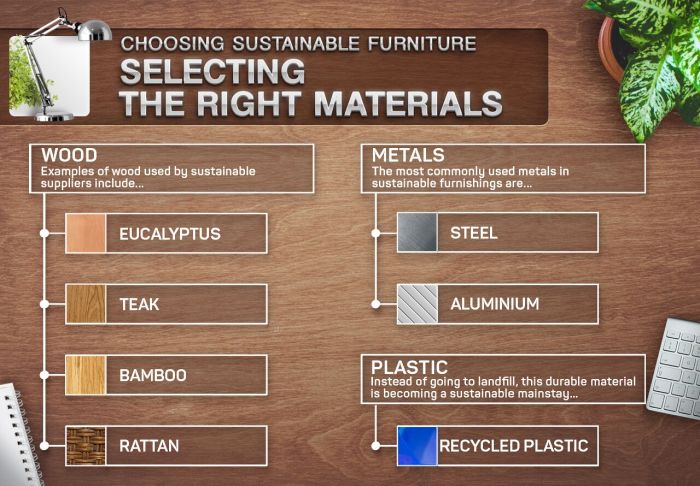
Examples of Sustainable Furniture Materials
Here are some examples of sustainable furniture materials that are suitable for various climates:
- Bamboo: Known for its fast growth and renewability, bamboo is a great eco-friendly option. It is durable and suitable for humid climates.
- Reclaimed Wood: Using reclaimed wood reduces the demand for new timber and helps to prevent deforestation. It can withstand various climates and adds a unique touch to furniture pieces.
- Cork: Cork is harvested from the bark of cork oak trees without harming the tree itself. It is a great insulator and suitable for both hot and cold climates.
- Recycled Plastic: Furniture made from recycled plastic helps reduce waste in landfills and oceans. It is a versatile material that can withstand different weather conditions.
Eco-Friendly Furniture Choices
Considering climate considerations when choosing furniture can lead to eco-friendly choices. Opting for materials that have a lower carbon footprint, are sustainably sourced, and can adapt to different climates can make a positive impact on the environment.
Outcome Summary
As we conclude our discussion on choosing the right furniture material for your climate, remember that durability, maintenance, and sustainability are essential factors to consider. By selecting the appropriate materials based on your climate, you can ensure your furniture lasts for years to come while minimizing its environmental impact.
Make well-informed decisions for furniture that not only suits your style but also adapts to the climate you call home.
Essential Questionnaire
What are the best furniture materials for hot and humid climates?
Materials like teak, metal, or all-weather wicker are great choices for hot and humid climates due to their durability and resistance to moisture.
How should I maintain wooden furniture in humid climates?
Regularly oiling or sealing wooden furniture can help protect it from the effects of humidity, preventing warping or mold growth.
Are there eco-friendly furniture choices based on climate considerations?
Absolutely! Look for materials like bamboo, reclaimed wood, or recycled plastic that are sustainable and suitable for various climates.