
As Lighting in Interior Design: Why It Changes Everything takes center stage, this opening passage beckons readers with casual formal language style into a world crafted with good knowledge, ensuring a reading experience that is both absorbing and distinctly original.
Exploring the impact of lighting on interior design is a journey that unveils the transformative power of illumination in shaping the ambiance and functionality of living spaces.
Importance of Lighting in Interior Design
Lighting plays a crucial role in interior design as it has the power to transform the mood and ambiance of a room.
Transforming the Mood of a Room
Proper lighting can create different atmospheres, from warm and cozy to bright and energizing, depending on the type and placement of lights used. Soft, dim lighting can make a space feel more intimate and relaxing, while bright, overhead lights can make a room feel more vibrant and lively.
Highlighting Architectural Features
Lighting can be used strategically to highlight key architectural features of a space, such as accentuating a beautiful fireplace, highlighting an intricate ceiling design, or drawing attention to a piece of art. By playing with light and shadow, interior designers can create visual interest and enhance the overall aesthetics of a room.
Affecting the Perception of Space
The right lighting can also affect how we perceive the size and layout of a room. Well-placed lights can make a small room appear larger and more open, while inadequate lighting can make a large room feel dull and cramped.
By using a combination of ambient, task, and accent lighting, designers can manipulate the perception of space and create a more inviting environment.
Types of Lighting Used in Interior Design
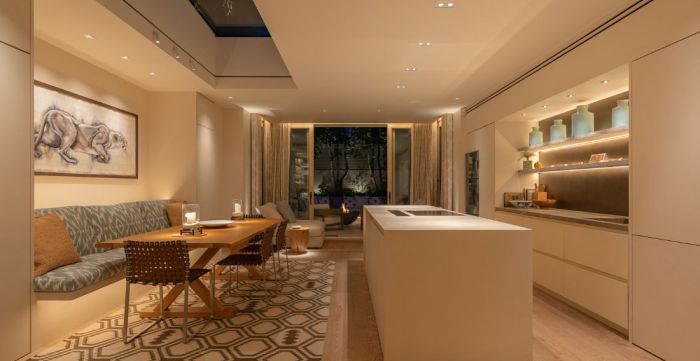
When it comes to lighting in interior design, there are three main types that are commonly used: ambient lighting, task lighting, and accent lighting. Each type serves a specific function and plays a crucial role in creating the desired atmosphere within a space.
Ambient Lighting
Ambient lighting, also known as general lighting, provides overall illumination to a room. It serves as the primary source of light and sets the tone for the space. This type of lighting can be achieved through ceiling lights, chandeliers, or wall sconces.
Ambient lighting ensures that a room is well-lit and comfortable for everyday activities.
Task Lighting
Task lighting is focused on specific areas where activities such as reading, cooking, or working take place. This type of lighting is meant to provide adequate light for tasks that require concentration and attention to detail. Task lighting examples include desk lamps, under-cabinet lighting in kitchens, and pendant lights over work areas.
Accent Lighting
Accent lighting is used to highlight certain features or objects within a space, such as artwork, architectural details, or plants. It adds depth and dimension to a room by creating visual interest. Examples of accent lighting include track lighting, wall-mounted picture lights, and recessed spotlights.
Lighting Fixtures and Their Impact
Choosing the right lighting fixtures for a space is crucial as it can significantly impact the overall ambiance and functionality of the room. Different lighting fixtures have the power to create various effects, from highlighting specific areas to setting the mood for different activities.
Here are some tips on selecting the appropriate fixtures based on the design style and function of the space.
Types of Lighting Fixtures
- Chandeliers: Perfect for adding a touch of elegance and grandeur to formal spaces like dining rooms or entryways.
- Pendant Lights: Ideal for task lighting over kitchen islands or dining tables, creating a focused illumination.
- Recessed Lighting: Offers a sleek and minimalist look, great for overall ambient lighting in living rooms or bedrooms.
- Wall Sconces: Provide accent lighting and can be used to highlight artwork or architectural features in a room.
- Track Lighting: Versatile and adjustable, perfect for highlighting specific areas or objects like gallery walls or bookshelves.
Effects of Different Fixtures
- Warm vs. Cool Lighting: Choosing warm or cool-toned fixtures can impact the mood of a room, with warm tones creating a cozy atmosphere and cool tones for a more modern feel.
- Dimmable Fixtures: Installing dimmable fixtures can offer flexibility in adjusting the lighting levels based on the time of day or desired ambiance.
- Statement Pieces: Using unique or eye-catching fixtures can serve as a focal point in a room, adding personality and style to the space.
Matching Fixtures to Design Style
- Modern Style: Opt for sleek and minimalistic fixtures that complement the clean lines and simplicity of modern design.
- Traditional Style: Choose fixtures with ornate details and classic finishes to enhance the traditional charm of the space.
- Transitional Style: Mix and match fixtures that blend elements of both modern and traditional styles to create a cohesive look.
Lighting Design Techniques
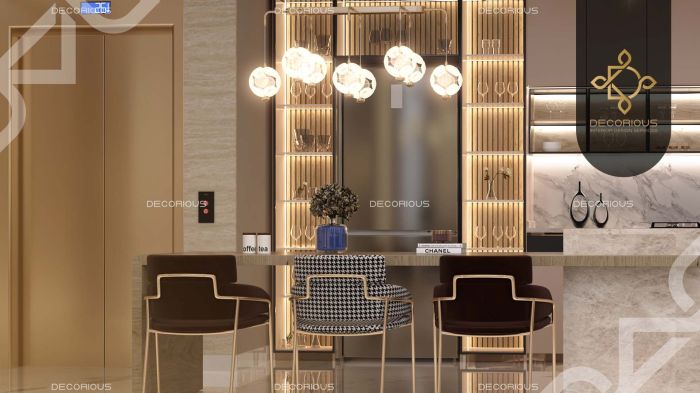
Layering lighting in interior design involves combining different types of lighting to create a dynamic and balanced illumination scheme. By strategically placing various light sources throughout a space, designers can enhance the functionality, aesthetics, and mood of the room.Creating a balanced lighting scheme using layering techniques begins with understanding the three key types of lighting: ambient, task, and accent lighting.
Ambient lighting provides overall illumination, task lighting focuses on specific activities, and accent lighting highlights architectural features or decor elements.To achieve balance, designers must carefully plan the placement of each type of lighting to ensure even distribution and avoid glare or shadows.
By layering ambient lighting as the base, then adding task lighting for functional areas, and finally incorporating accent lighting for visual interest, a harmonious lighting design can be achieved.Successful lighting designs that incorporate layering can be seen in various settings such as:
- A cozy living room with recessed ambient lighting, a pendant light over the coffee table for task lighting, and wall sconces to highlight artwork on the walls.
- A modern kitchen with under cabinet task lighting, a statement chandelier for ambient lighting, and adjustable track lights to showcase the kitchen island.
- A luxurious bedroom with a combination of bedside table lamps for task lighting, a chandelier for ambient lighting, and LED strip lights behind the headboard for accent lighting.
By mastering the art of layering lighting, designers can transform any space into a well-lit, inviting environment that serves both functional and aesthetic purposes.
End of Discussion
In conclusion, Lighting in Interior Design: Why It Changes Everything sheds light on the crucial role lighting plays in creating atmosphere, highlighting architectural elements, and defining spatial perception. Embracing the art of lighting design can truly revolutionize the way we experience and interact with our surroundings.
Clarifying Questions
How does lighting impact the mood of a room?
Lighting can significantly influence the mood of a room by creating different levels of brightness, warmth, and shadows, which can evoke various emotions and feelings.
What are the main types of lighting used in interior design?
The three main types of lighting used in interior design are ambient lighting, task lighting, and accent lighting, each serving specific purposes in enhancing the functionality and aesthetics of a space.
How do you choose the right lighting fixtures for a space?
Selecting the right lighting fixtures involves considering the size of the room, the desired ambiance, the style of the space, and the activities that will take place in the area to ensure optimal illumination and visual appeal.